What is a LED Display Screen and How Does it Work?
In recent years, LED display screens have transformed how we communicate visually. Dr. Emily Chen, a renowned expert in display technology, emphasizes, “LED display screens are changing the landscape of digital interaction.” This statement reflects the growing importance of these screens in various industries.
The technology behind LED display screens is fascinating. They consist of tiny light-emitting diodes that illuminate to create vibrant images. As the demand for clear and bright visuals increases, the role of LED display screens becomes more significant. They are utilized in advertising, events, and public information systems.
However, there are challenges within this industry. Quality control can be inconsistent and energy consumption remains a concern. Despite advancements, some displays still struggle with color accuracy and longevity. Reflecting on these issues, we recognize the need for ongoing innovation in LED technology to meet ever-evolving standards.
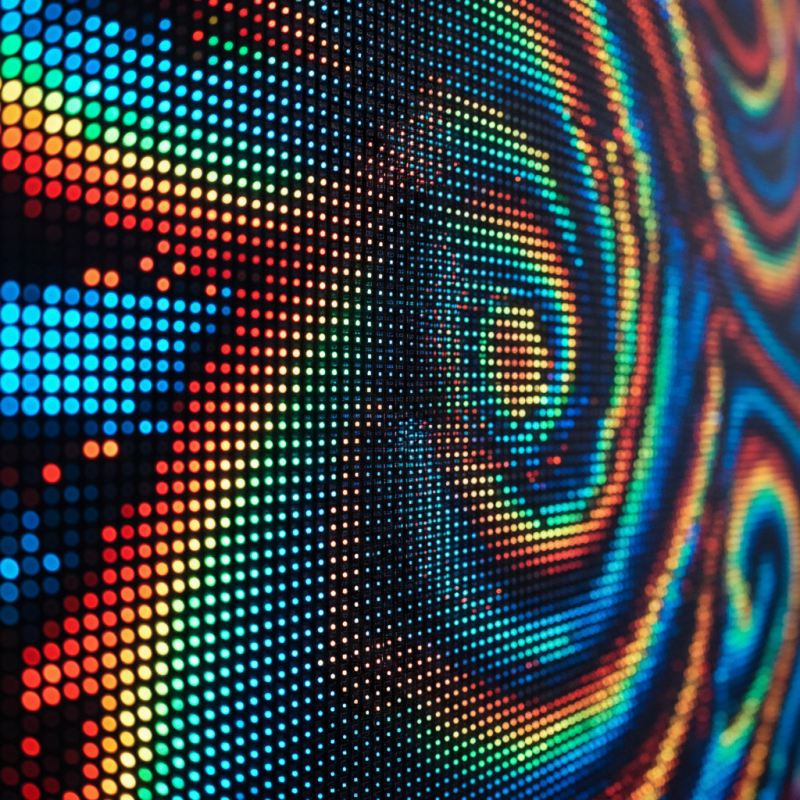
What is a LED Display Screen?
A LED display screen is a flat panel display technology that uses light-emitting diodes to produce images. These screens are popular for their vibrant colors and low power consumption. They can be found in a variety of applications, from large outdoor billboards to small electronic devices. The bright, clear images make them ideal for advertising and broadcasting.
The core of a LED display consists of tiny LED lights arranged in a grid. Each light can emit red, green, or blue light. By mixing these colors, the screen creates a wide spectrum of colors. The result is an immersive viewing experience. However, sometimes the brightness can be overwhelming, causing eye strain. A balance must be struck.
Not all LED displays are created equal. The quality can vary greatly. Factors such as resolution, brightness, and color accuracy play a huge role. Some screens are too dull for bright environments, while others bleed colors or lack detail. Users must research to find the right fit for their needs. It's also crucial to consider energy efficiency. These factors can greatly influence the overall performance of the display.
History of LED Display Technology
The history of LED display technology traces back to the early 1960s. The first visible LED was red, developed by Nick Holonyak Jr. in 1962. This breakthrough marked a significant leap for the electronics industry. By the 1970s, LEDs were primarily used in displays for calculators and clocks. Their efficiency and longevity caught the attention of developers.
In the 1990s, the introduction of blue and green LEDs expanded the color spectrum for displays. This advancement enabled full-color displays, which revolutionized advertising and information dissemination. By 2005, the global market for LED displays reached approximately $10 billion, reflecting a growing acceptance. According to a recent report, the LED display market is projected to surpass $25 billion by 2025, driven by the rise of digital signage and smart cities.
Despite these advancements, challenges remain. Manufacturing costs can hinder widespread adoption. Moreover, energy consumption in high-brightness applications raises sustainability concerns. The RGB color mixing technique still struggles with color accuracy in various conditions. As technology evolves, addressing these issues is essential for the future of LED displays.
LED Display Technology Growth Over the Years
The chart above illustrates the growth of the global LED display market from 2010 to 2023, showing a significant increase from 5 billion USD to an estimated 38 billion USD, highlighting the expanding adoption and technological advancements in LED display technology over the years.
How LED Display Screens Produce Images
LED display screens have revolutionized how we produce and view images. They use
Light Emitting Diodes (LEDs) to create vibrant visuals. Each screen consists of
multiple tiny LEDs grouped together. These LEDs light up in different colors to produce a full spectrum of images. It’s fascinating how these
small components can create stunning graphics.
The brightness of LED screens is impressive. They can shine brightly even in direct sunlight. This makes them ideal for outdoor advertisements and large events.
These displays work by turning the LEDs on and off at incredible speeds. This rapid cycling creates the illusion of motion and fluidity. It’s
intriguing how this technology manipulates light to produce captivating visuals.
Tip: When using LED screens, consider the environment. Bright screens may not always be necessary indoors. Dimmer settings can
save energy and prolong the lifespan of the display.
The downside? Not all colors are displayed equally. Sometimes, deeper colors can look washed out, especially from certain angles. This can affect the
overall impact of the image. Choosing the right placement of your LED screen can mitigate this issue.
Tip: Test your display in various settings. Adjust brightness and contrast to optimize viewing angles. This simple step can enhance the experience.
Types of LED Display Screens and Their Applications
LED display screens come in various types, each serving specific purposes. A common type is the LED backlit screen, often found in televisions and monitors. These screens use LEDs to illuminate liquid crystal displays, enhancing brightness and color accuracy. Their application is prevalent in home entertainment, making visuals clearer and more vibrant.
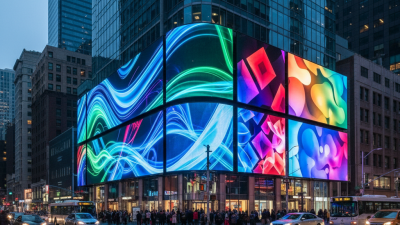
Another type is the full-color LED display, often seen in outdoor advertising. These screens can show dynamic content, attracting attention from afar. They are used in billboards and sports events. However, their power consumption can be high, which raises concerns about environmental impact. Still, the ability to deliver eye-catching graphics is hard to overlook.
There are also specialized LED screens, like ones used in medical environments. They provide clear images for precise diagnostics. Yet, the shock of brightness can sometimes be uncomfortable. Each type of LED display carries its benefits and drawbacks, inviting ongoing discussion about efficiency and design in various settings.
What is a LED Display Screen and How Does it Work? - Types of LED Display Screens and Their Applications
| Type of LED Display |
Resolution |
Common Applications |
Brightness (nits) |
Lifespan (hours) |
| Indoor LED Display |
1920 x 1080 |
Concerts, Events, Advertising |
800 - 2000 |
50,000 |
| Outdoor LED Display |
3840 x 2160 |
Billboards, Sports Events, Public Information |
3000 - 7000 |
100,000 |
| Transparent LED Display |
960 x 540 |
Shopping Malls, Museums, Corporate Buildings |
2000 - 5000 |
40,000 |
| Curved LED Display |
1280 x 720 |
Event Venues, Special Exhibitions |
500 - 1000 |
60,000 |
Advantages and Disadvantages of LED Display Technology
LED display technology has transformed visual communication. The advantages are numerous. One key benefit is the energy efficiency of LED screens. They consume up to 75% less energy than traditional displays, resulting in significant cost savings. High brightness and color accuracy make them ideal for outdoor use. Reports indicate that LEDs have a lifespan of over 50,000 hours, which means fewer replacements.
However, there are challenges. The initial investment can be high, and not all applications justify the cost. Some LED displays can have uneven brightness, creating visual issues. The technology may struggle in direct sunlight, impacting clarity. These factors can lead to mixed reviews in certain environments.
Tip: Consider the installation location carefully. Bright LEDs are not always the best choice for shaded areas. Understanding your needs can help in making better decisions. Always evaluate long-term value against upfront costs to avoid regrets.
















 Screen Size Calculator