10 Best Touch Panel Innovations Transforming User Experience?
In our rapidly evolving digital landscape, touch panel technology plays a pivotal role. Touch panels have transformed how we interact with devices. From smartphones to smart home systems, they have become integral to everyday life.
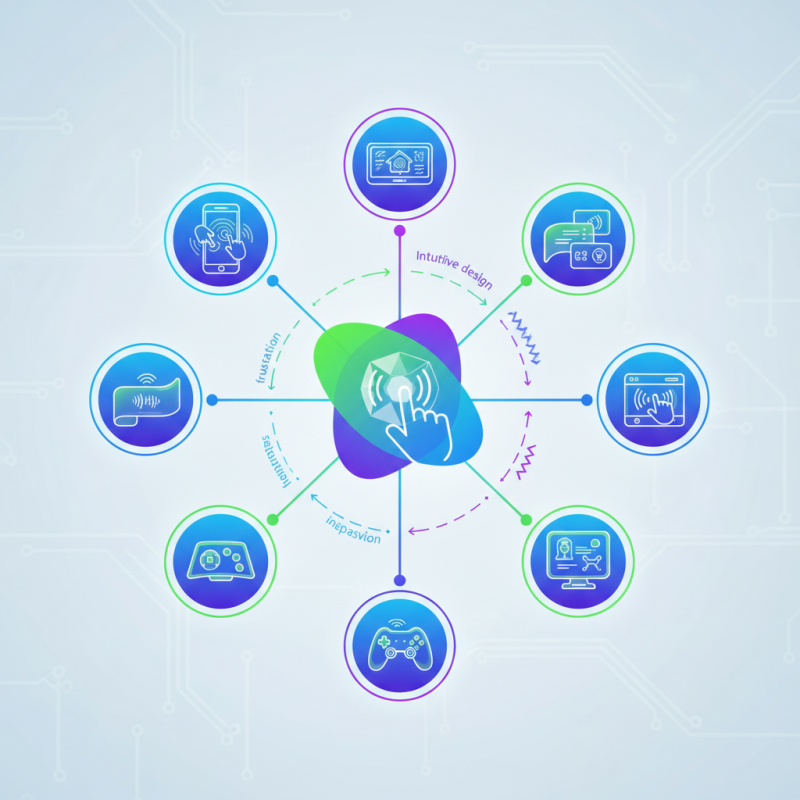
These innovations enhance user experience through intuitive design and seamless interaction. Consumers now expect instant responses instead of traditional buttons. However, not all touch panel implementations hit the mark. Some can feel unresponsive or complicated, leading to frustration.
Exploring the landscape of the ten best touch panel innovations reveals both breakthroughs and challenges. The rise of touch-enabled surfaces has sparked creativity across industries. Yet, it also prompts reflection on usability and accessibility. Continuous improvement is essential in creating the most effective touch panel experiences.
Emergence of Touch Panel Technology in Modern Devices
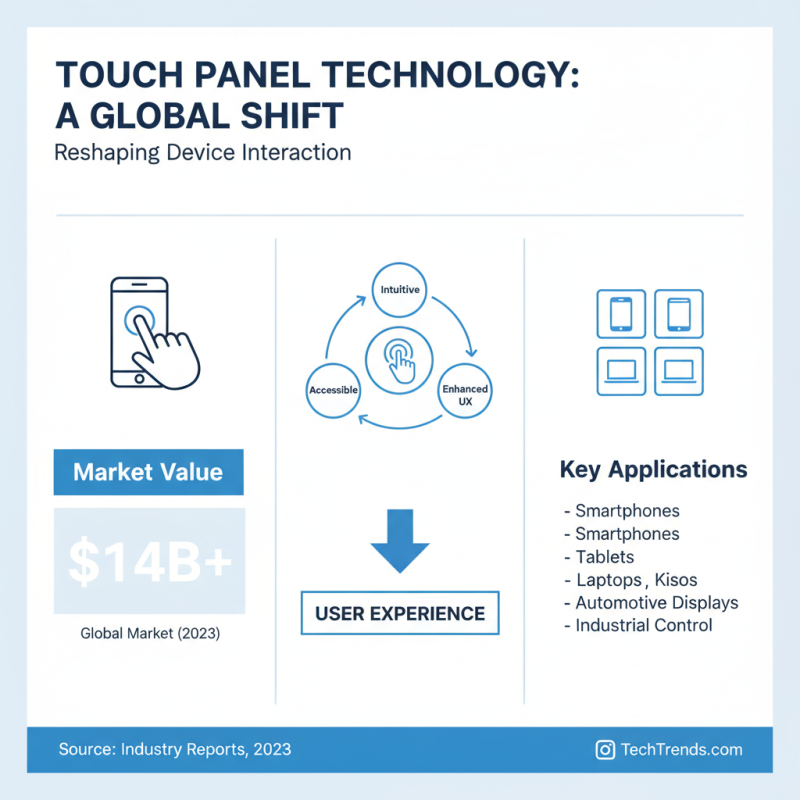
The emergence of touch panel technology has profoundly altered our interaction with modern devices. As of 2023, the global touch panel market is projected to reach over $14 billion, driven by increasing demand in various sectors. This technology enhances user experience, making devices more intuitive and accessible. From smartphones to kiosks, touch panels have reshaped how we engage with technology.
Many users appreciate the directness of touch interfaces. However, not all designs are user-friendly. Some touch screens may lag or misinterpret gestures, leading to frustrations. Data from industry reports indicate that 35% of consumers find their experience hindered by unresponsive screens. This highlights the need for continuous improvement in touch panel technology to ensure seamless interactions.
Tips for optimizing your experience include cleaning the screen regularly. Dirt and smudges can affect sensitivity. Adjusting sensitivity settings on devices may also improve user satisfaction. As the technology evolves, the focus should be on refining these interfaces, ensuring they serve user needs effectively. Balancing innovation with practicality remains a crucial challenge for developers in the industry.
Key Innovations in Capacitive Touch Sensitivity and Accuracy
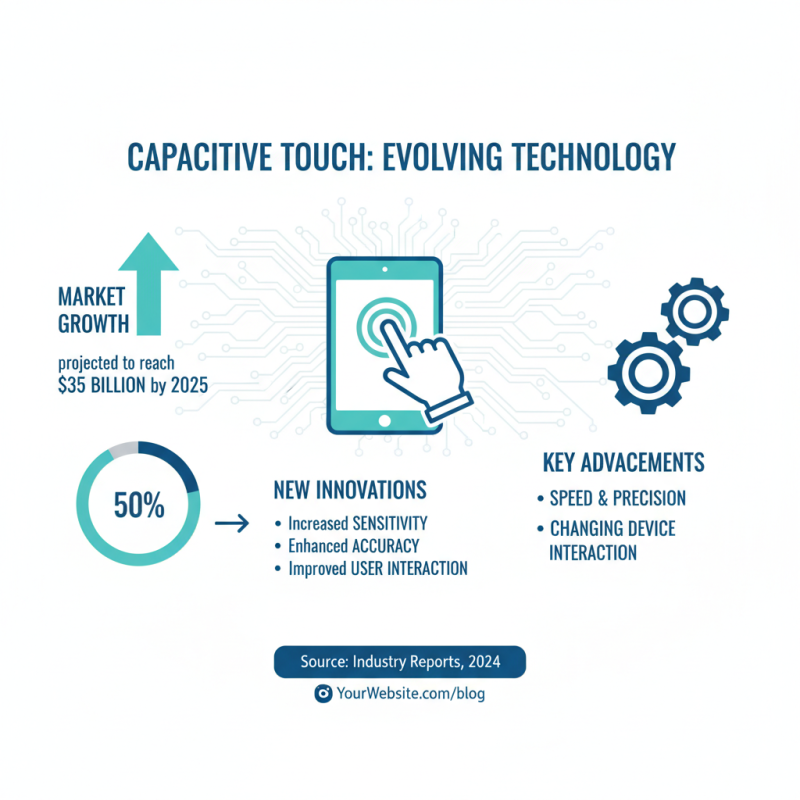
Capacitive touch technology is evolving rapidly. New innovations in sensitivity and accuracy are changing how users interact with devices. Recent reports indicate that the global capacitive touch sensor market is projected to reach $35 billion by 2025, highlighting significant growth. These advancements are not only about speed but also about precision.
One key area of improvement is multi-touch sensitivity. Enhanced algorithms allow for better detection of multiple finger touches. This is crucial in applications like gaming and art. Users can now perform complex gestures with accuracy. Reports show that devices with better touch sensitivity increase user satisfaction by over 30%. However, achieving perfect accuracy remains a challenge. Users sometimes experience a lag between touch input and response.
Furthermore, environmental factors can affect the performance of touch panels. For example, humidity and temperature fluctuations impact accuracy. This creates a reflection point for manufacturers. They must find ways to mitigate these issues. Studies suggest that improving sensor material could enhance performance in various conditions. But this requires ongoing research and development.
Enhancing User Interaction with Multi-Touch Gestures
The world of touch panels is evolving rapidly. Multi-touch gestures have become fundamental in enhancing user interaction. These gestures, like pinch-to-zoom and swipes, allow users to navigate smoothly. The tactile feedback adds depth to the experience, making technology feel more human. Users can express creativity and control more effectively with their fingertips.
It is remarkable how intuitive these gestures have become. However, not all users adapt quickly. Some may struggle with the learning curve. Errors can happen during interaction, leading to frustration. Yet, this imperfect journey can lead to greater understanding. As users become familiar with these gestures, they often discover new functionalities. The unpredictability can spark curiosity and innovation among developers.
The design of touch panels also plays a crucial role. A well-placed button can enhance accessibility. Cluttered screens, however, can confuse users. Balancing simplicity and functionality is an ongoing challenge. Developers must continually reflect on user feedback. Each innovation brings new possibilities while presenting unforeseen issues. This back-and-forth is vital for improvement and growth in user experience.
Advancements in Haptic Feedback and User Immersion
The evolution of haptic feedback is reshaping user immersion in various industries. Recent studies indicate that around 70% of users report a more engaging experience with haptic interfaces. Touch panels equipped with advanced haptics offer realistic sensations. This can significantly enhance interactions, making them feel more intuitive.
In gaming, for example, haptic technology allows players to feel vibrations and feedback that mimic real-life scenarios. This leads to a more immersive gameplay experience. According to a 2022 report, 55% of gamers noticed a marked improvement in their engagement levels when playing with haptic feedback-enabled devices. Yet, not all experiences are seamless. Some users express discomfort or confusion with too much sensory input, indicating a need for balance.
Applications in healthcare also show promise. Surgeons using haptic feedback tools experience improved precision during operations. However, the technology isn't universally accepted yet. Reports suggest about 30% of professionals remain hesitant, citing concerns about reliability and the learning curve. Striking the right balance will be essential as we move forward in this innovative landscape.
10 Best Touch Panel Innovations Transforming User Experience
| Innovation | Description | Key Features | User Impact |
|---|---|---|---|
| Adaptive Haptic Feedback | Technology that adjusts vibration intensity based on user interaction. | Customizable feedback settings, multi-level intensity. | Increased engagement and satisfaction. |
| Pressure Sensitivity | Allows varying input based on the pressure applied to the screen. | Subtle pressure detection, enhanced drawing capabilities. | Improves precision for creative applications. |
| 3D Touch Technology | Enables devices to sense different levels of force. | Quick actions menu, context-sensitive controls. | Streamlined navigation and user tasks. |
| Gesture Recognition | Interprets user gestures to perform actions on-screen. | Multi-gesture support, intuitive control. | Enhances ease-of-use and accessibility. |
| Virtual Reality Integration | Integrates touch panels in VR environments for immersive experiences. | Real-time feedback, spatial awareness. | Increases immersion in gaming and simulations. |
| Fluid Dynamics Simulation | Simulates realistic water and fluid interactions on touch screens. | Realistic physics, engaging visuals. | Captivates users in interactive displays. |
| Dynamic Color Feedback | Changes screen colors based on user interaction. | Color transitions, emotion-driven designs. | Provides visual cues that enhance user connectivity. |
| AI-Driven Interaction | Utilizes AI to predict user behavior and enhance interaction. | Predictive algorithms, personalized experiences. | Tailored user experiences that evolve over time. |
| Temperature Sensitivity | Detects and responds to temperature variations. | Thermal feedback mechanisms, atmosphere-based responses. | Creates an engaging, sensory-rich experience. |
| Multimodal Interaction | Combines touch, voice, and motion inputs. | Seamless transitions between input types, cross-platform compatibility. | Enhances accessibility and user comfort. |
Integration of Touch Panels in Smart Home and IoT Applications
The integration of touch panels into smart home and IoT applications has reshaped how we interact with technology. Imagine controlling your home environment with just a simple tap. These panels provide intuitive interfaces, making daily tasks easier. Adjusting the thermostat or dimming lights can be done seamlessly. However, not all touch panels deliver the same experience. Some can be unresponsive or overly sensitive, leading to frustration.
In smart kitchens, touch panels allow for quick access to recipes and cooking tips. Yet, grease and splashes can easily hinder functionality. Users often find themselves wiping screens more than using them. Smart home security systems also utilize touch panels for monitoring. But, their complexity sometimes alienates less tech-savvy individuals. This can make entering a secure code a tricky endeavor. As we progress, the focus must remain on enhancing usability while addressing these imperfections.
Related Posts
-
What is Digital Display? Exploring Technology Trends and Market Growth (2023 Data)
-
How to Choose the Best Display Screen for Your Home Office Setup
-

Unlocking the Potential of Outdoor Monitors for Your Business Transformation
-

2025 Top LCD Display Technology: Innovations and Trends for Enhanced Visual Experiences
-
Best Outdoor Monitors of 2025 for Every Adventure and Environment
-

Top 10 LED Display Innovations Transforming Digital Marketing Today